Blog

Blog

Blog, Khushal das Parmar

Self-Doubt is a Liar: Here is How to Shut It Down

Self-Doubt is a Liar: Here is How to Shut It Down “You’re not good enough.”“You don’t belong here.”“Someone else is better than you.” If these thoughts have ever echoed in your mind, you already know the exhausting, invisible power of self-doubt. It comes in during quiet moments or before the big decisions in your life. It hides itself as realism or humility, but really, it’s a thief — a thief of dreams, opportunities, and potential. Self-doubt is more than hesitation, it’s a habitual undermining of your own worth. But here’s the truth: self-doubt is a liar, and you don’t have to keep listening to it. Most of us mistakenly believe that self-doubt is a warning to stop, rethink, or step back. In reality, it’s resistance hiding behind a mask. Steven Pressfield, in his transformative book The War of Art, describes this internal resistance vividly. “Most of us have two lives. The life we live, and the unlived life within us. Between the two stands Resistance. Resistance will tell you anything to keep you from doing your work.” That’s exactly what self-doubt does — it fabricates a story where you fail before you even try. But recognizing this is the first step toward reclaiming your power. When you confront resistance head-on, you open the door to creativity and growth. But where does it come from? Often, it doesn’t start with us. It starts with voices we embedded from a teacher who doubted us, a parent who pushed perfection, a society that set impossible standards, and social media that only shows the best parts of others’ lives — making us feel like we are losers. I believe it doesn’t matter whether you were born into a poor family or a wealthy one, or whether you come from a deprived region or a privileged metropolitan city, we have all faced such challenges in different forms. Glennon Doyle, in her book Untamed, talks about this beautifully: “Your job, throughout your entire life, is to disappoint as many people as it takes to avoid disappointing yourself.” We’ve been trained to seek external validation at the expense of our inner truth, and self-doubt thrives in that gap. But reclaiming your voice means learning to trust yourself again, to honor your own path — and yes, you can free yourself from the shadows of self-doubt. It is human nature to easily believe what feels familiar — self-doubt feels that way. Daniel Kahneman, in Thinking, Fast and Slow, explains that the more often we hear something, even in our own minds, the more we believe it. He writes, “Familiarity is not easily distinguished from truth.” So even if the thought “I can’t do this” isn’t true, we start to accept it as fact because we’ve replayed it so many times. That’s why simply being aware of the thought isn’t enough — we have to unlearn it. Similarly, we can see around us that many people talk very well; they give the best possible examples on the art of living and dealing with psychological challenges, but their own lives are often troubled because simply knowing positive thoughts isn’t enough — they haven’t truly made them a part of their daily mindset or actions. So, whether negative or positive, thoughts only work when we repeat them often and genuinely accept them as true. It is very important to note that what does help is action. For the action, you need confidence. In her book The 5 Second Rule, Mel Robbins explains that, “Confidence is a skill you build through action.” Confidence is not something you wait to feel — it’s something you build. You don’t need to feel ready or be highly motivated, or wait for permission or validation from anyone to start. You need to move with consistency. Every time you act despite your fear, you weaken the grip, the intensity, and the pseudo-strength of self-doubt. Another powerful tool is visualization — but not the kind that imagines everything is going wrong. Imagine things that are going right. Picture success. Picture progress. Jen Sincero, in You Are a Badass, puts it bluntly: “Your thoughts and beliefs dictate your reality.” If you keep imagining the worst, that’s the story you start living. But if you dare to imagine yourself winning, succeeding, thriving, speaking up, showing up — your brain starts rewriting the script. We have often heard our parents say, “Stay in good company,” and motivational speakers often remind us to “Surround yourself with positive people.” They are absolutely right. We cannot underestimate the influence of the people around us. If your environment constantly triggers your insecurities, it’s not you — it’s your system. James Clear, in his book Atomic Habits, says, “You do not rise to the level of your goals. You fall to the level of your systems.” And your social circle is one of those systems. Spend time with people who uplift, support, and believe in you, especially when you can’t yet believe in yourself. The right environment can help rewrite the stories we tell ourselves. Surrounding yourself with positive influences creates the foundation for lasting positive change. Most importantly, speak to yourself with compassion. The tone you use in your own head matters. If you wouldn’t call your best friend a failure for making a mistake, then don’t say it to yourself. Kristin Neff, in her book Self-Compassion, encourages us to offer ourselves the same kindness we offer others: “With self-compassion, we give ourselves the same kindness and care we would give to a good friend.” Self-doubt often masks shame, and shame only grows in silence. Speak gently, kindly, honestly — especially when you’re struggling. Remember, healing begins the moment you choose understanding over judgment. Be patient with yourself — growth is a journey, not a race. If you think you’re the only one struggling with self-doubt, I’m sorry to say that’s not true — even the bravest people feel it. The difference is, they don’t let it stop them. Jordan Peterson writes in 12


Blog, Hammad Niazi

The Smell of Moth Orchids”: On the Resonant Wounds of Naheed Qamar’s Poetry

“The Smell of Moth Orchids”: On the Resonant Wounds of Naheed Qamar’s Poetry Written by : Hammad Niazi To step into Naheed Qamar’s poetry is to step onto a landscape on which the smell of moth orchids in the wind becomes the very air of settled hurt. This is not just a jumble of words; it is the pounding of existence’s broken, scattered pieces, ringing through centuries of quiet to drive a beam of light into the darkness of the soul. Her poems are a mirror in which the scars of time, the valleys of loneliness, and the ashes of love look for their own reflection. The deluge of human experience, which passes through the framework of her work, is actually the deluge flowing into “the aqueduct of time” (زمانے کی کاریز) to find its way towards the heart of the narrative. Every word weighs upon the heart like a stone – phrases like “the moon growing on the chest of the heart” (دل کے سینے پر اگتے چاند) not only attain un-questionable heights of imagery but cover the pain of being as if a blazing star had come to rest upon the palm. It is from here that the question arises, pulsing at the heart of each poem: “What is that which we seek in the heart of the story?” (وہ کیا ہے جسے ہم کہانی کے دل میں ڈھونڈتے ہیں؟). For Naheed, this quest is not wordplay; it is the magic of wound upon wound, where “the flow of blood” (لہو کی روانی) is the only reality. Time, in her poetry, is a hurt traveler, “lost in the corridor of time” (وقت کی راہداری میں بھٹکا ہوا), standing on the ruins of itself. “Leaf by leaf, scattering days” (پتی پتی بکھرتے دن) and “wooden staircases of memory” (یاد کے چوبی زینے) are not just symbols, but fragments of earth from the tearing apart of existence. When she says: “What did we live for, even if we lived — without sky, without earth” (ہم جیے بھی تو کیا — بے فلک، بے زمیں), it is not a complaint, but an expression of that human condition where the price of being “laborers of love’s dreams” (خواب محبت کے مزدور) is always paid through the hands of indifference. Aesthetic bittersweetness lies in Naheed Qamar’s words. Images like “the moon on the branch of sight” (شاخ نظر پر چاند) and metaphors like “grief’s ice-bound cage” (غم کے یخ بستہ پنجرے) make her poetry visual sculptures. But this beauty is never bereft of suffering. The agony concealed in each stunning word is such a “whirlpool of the separation” (برہا کی منجدھار) which “resonates within the jugular vein” (شہ رگ کے بھیتر گونجتی). Her manner is so silken that even the hilt of the sword yields to silk’s pliability – “The scale-pan itself measuring union, separation’s sting itself” (خود ماشہ تولہ وصل کا، فرقت کی ٹیس بھی آپ). In poetry, Naheed’s poems are a fire dancing on its own ashes. Descriptions such as “glistening from the ash of love” (عشق کی راکھ سے دمک) and “kohl of pain” (درد کے سرمے) do not just make her poetry a verbal wonder, but display an energetic philosophy of living in which “the heart’s paralysis” (دل کا سکتہ) is actually life’s biggest reality. When she writes, “At seeing you, heart, wind, time, world, all stood still” (تجھے دیکھ کر دل، ہوا، وقت، دنیا جہاں تھم گئے تھے), it is not only a romantic situation, but that cosmic silence where existence breathes in for eternal breath. There is no line drawn between death and life in Naheed Qamar’s work. “The hour of resurrection” (حشر کی گھڑی) and “the sun falling into the netherworld” (پاتال میں گرتا سورج) are two faces of the same coin. That is why, while reading her poetry, the reader sees herself/ himself in a “twilight” (دھندلکے) where “weakness of vision” (ضعف بصارت) also becomes a symbol for the opening of the inner eyes. Slipping into the abyss of her words, one is left with the sensation that one is “the heart itself, trembling upon its own ruins” (خود اپنے ملبے پہ سہما ہوا دل). As drips from a wounded crane, the remaining bead of a dried tear, or the forgotten echo of an incomplete cry, these poems hold in them the quintessence of pain and silence instead of words. The sun passeth over them, but they are the bony remains of hopes interred in the slaughter fields of dreams, gathered by the frosty sighs of night and left at the doorstep of dawn. These are scream poems, silent screams that are etched into the decayed walls of lost cities—screams that howl with every breeze—pleading hands, moaning lost voices. They are a pain too deep to be spoken, but too agitated to remain still, and were conceived out of stifled howls that were never fully voiced—or perhaps never truly heard. The last thing to note is this: Naheed Qamar’s poetry is not observation; it is the tear of a century, penned with “ink burning on tiny hands” (ننھے ہاتھوں پہ جلتی ہوئی روشنائی). It is the account of that “fruitless toil” (بے سود مشقت) which speaks of each faceless spirit homeless “in your earth and sky” (تیرے ارض و سما میں). Maybe this is the reason that her poetry rents a chasm within the soul while being read – as if an injured silence (گھائل چپ) had all at once become audible. And this rift is, in fact, the path of that light passing through the air perfumed with the aroma of moth orchids to reach the remotest recesses of our soul. Leave a Reply Cancel Reply Logged in as admin. Edit your profile. Log out? Required fields are marked * Message*

Blog, Iffat Navaid

احسان لینا قبول کریں

احسان لینا قبول کریں عفت نوید ہم نے اکثر لوگوں کو، خاص طور پر بزرگوں سے سنا ہے کہ اللہ چلتے ہاتھ پیر اٹھا لے۔ کسی کا محتاج نہ کرے۔ اپنے ہاتھ سے کام کرنا،اپنی ذات سے کسی کو تکلیف نہ دینا۔کسی سے اپنا کام کہتے،اپنا بوجھ ڈالتے، اپنی تکلیف بتاتے، خودداری کے احساس پر ٹھیس لگتی ہے اس لیے بہت سے لوگ اپنی پریشانی مشکل، تکلیف یا ضرورت کسی کو نہیں بتاتے کسی سے شیئر نہیں کرتے۔ بہت سے لوگوں کو ہمدردیاں سمیٹنا اچھا نہیں لگتا۔ وہ نہیں چاہتے کہ لوگ انہیں قابل ترس سمجھیں۔ خودداری کا یہ احساس بعض اوقات شخصیت اور اعصاب کو اس بری طرح جکڑ لیتا ہے کہ انسان اپنے قریب ترین رشتوں اور چاہنے والوں پر بھی اپنی پریشانی ظاہر نہیں ہونے دیتا۔ اور پیارے بھی کون سگی اولاد سگے بہن بھائی، شوہر یا پھر قریب ترین دوست۔ مجھے اپنی مثال دیتے اچھا نہیں لگتا لیکن خامی بیان کرنے کے لیے میں خود کو، خود سے نزدیک پاتی ہوں۔ مجھے بخار تھا،پانی کی طلب محسوس ہوئی، شوہر سامنے بیٹھے کتاب پڑھ رہے تھے۔ جیسے ہی کھڑی ہوئی چکرا کر بستر پر بیٹھ گئی۔ شوہر نے پوچھا ” کیا چاہیے”؟ میں نے کہا ”پا نی”   ٗ  ‘‘پانی ’’  پانی پی کر انہیں گلاس تھما دیا۔ انہوں نے گلاس میز پر رکھا اور غصے سے بولے ”میں تمہارے سامنے بیٹھا تھا،مجھے کہتیں۔جس طرح تمہیں سب کی خدمت کرنا اچھا لگتا ہے، ہمیں بھی اچھا لگتا ہے۔ ہمیں بھی موقع دو۔ایسا نہیں کہ تم کسی کو تکلیف دینا نہیں چاہتیں، اصل بات یہ ہے کہ تم کسی کا احسان لینا نہیں چاہتیں۔ تم انا پرست ہو۔“ مجھے لگا وہ بالکل ٹھیک کہہ رہے تھے۔ مجھے احساس ہوا کہ انا پرستی اچھی چیز نہیں، اپنی تکالیف جھیلتے، درد برداشت کرتے، اپنے احساسات کو اپنی ذات تک محدود کرتے اور اذیت پسندی سے گزر کر جانے کب ہم خود پرستی میں مبتلا ہو جاتے ہیں۔ انسان کو کسی بھی مشکل، درد،تکلیف سے نکلنے کے لیے سوائے اپنی ذات کے کوئی نظر نہیں آتا، وہ خود ہی سے تمام مسائل کا حل مانگتے ہیں اور انہیں تنہا حل کرنے کی کوشش میں لگے رہتے ہیں۔ اور اسے خود داری کا نام دیتے ہیں۔مگر ایک بات ہمیں یاد رکھنا ہوگی کہ انا پرست اور خوددار ہونے میں بڑا فرق ہے۔ ہم یہ بھول جاتے ہیں کہ انسان کا ایک دوسرے سے درد کا بھی رشتہ ہے۔ اپنے ہوں یا پرائے انسانیت درد کے رشتے سے جڑی ہے۔ درد بانٹنا،غموں کا مداوا کرنا، تکلیف میں ساتھ دینا ہر حساس انسان کی فطرت ہے۔ جس کے تحت وہ لوگوں کی بے لوث خدمت کرنا چاہتے ہیں۔ ان کی خدمت کے جذبے کا احترام کرنا چاہیے۔ بڑا ہے درد کا رشتہ یہ دل غریب سہی تمہارے نام پہ آئیں گے غمگسار چلے کچھ لوگ اپنی ذات کے مضبوط حصار میں اتنے قید ہوتے ہیں کہ جب ان پر کوئی آزمائش آتی ہے تو وہ اسے اپنے لیے ایک چیلنج سمجھتے ہیں اور اس سے نکلنے کے لیے تن تنہا ہاتھ پیر مارتے ہیں۔ دریا کی لہروں کے بھنور میں پھنسنے والا شور مچانے کے بجائے محض ہاتھ پیر چلائے تو کنارے پر کھڑے لوگ اسے ایک مشاق تیراک سمجھ کر اس پر کوئی توجہ نہیں دیں گے۔ کسی کی مدد کرنا، خیال کرنا، کسی ضرورت کے لیے پوچھتے رہنا یہ پیار کرنے والوں کے دلی سکون کا باعث ہوتا ہے۔ عام طور پر بزرگ اپنے بچوں کی پریشانی، بے آرامی اور زحمت کے خیال سے انہیں اپنی کوئی تکلیف نہیں بتاتے، اپنے احساسات اور کیفیات کا ذکر نہیں کرتے۔ کسی ضرورت کا اظہار نہیں کرتے، مگر وہ بھول جاتے ہیں کہ ان سے پیار کرنے والے ان کی جنبش لب کے منتظر ہیں۔ جسے وہ زحمت سمجھ رہے ہیں وہ ان کے لیے راحت ہے۔ اپنوں کی ضرورتوں کا خیال رکھنا ان کے لیے رحمت ہے۔ بزرگ انہیں رحمت و راحت سے محروم کر کے خود تو دل میں یہ اطمینان لیے جاں کنی کے عذاب سے گزر کر عالم ارواح سدھار جاتے ہیں کہ ان کی ذات سے کسی کو تکلیف نہ ہوئی۔مگر اپنے خونی رشتوں کے لیے پچھتاوا، ملامت اور لوگوں کی لعن طعن، اثاثے میں چھوڑ جاتے ہیں۔

Kalsoom Nisar
Blog, Kalsoom Nisar

وہ مظلوم نہیں بس تھکی ہوئی ہے

وہ مظلوم نہیں بس تھکی ہوئی ہے کلثوم نثار یہ جملہ اکثر ان عورتوں کو سننے کو ملتا ہے جن کے شوہر بیرونِ ملک کام کے لیے گئے ہوتے ہیں۔ بظاہر یہ جملہ حسد سے لبریز تعریفی لگتا ہے، مگر یہ جملہ جس کو سنا کر خوش قسمتی کا احساس اور اپنے جلے دل کے پھپھولے ظاہر کیے جا رہے ہوتے ہیں، اسکی کہانی اکثر دکھ، تنہائی اور ذہنی اذیت سے بھری ہوتی ہے، خاص طور پر جب عورت سسرال کے گھر میں اپنے بچوں سمیت رہتی ہے۔ سسرال میں رہنے کا فیصلہ اکثر مالی مجبوری یا سماجی دباؤ کے تحت کیا جاتا ہے۔ خاندان والے کہتے ہیں ” ہماری بیٹی ہے ہم اسکا خیال رکھیں گے”مگر وقت کے ساتھ یہ خیال رکھنے کا دعویٰ کنٹرول، تنقید اور تنگ نظری میں بدل جاتا ہے.کھانے میں نمک کم ہو جائے تو باتیں، بچے بیمار ہو جائیں تو لاپروائی کے طعنے۔ کوئی کام اپنی مرضی سے کر لے تو خودسر ہونے کا الزام۔ اور سب سے بڑھ کر: “شوہر کے بغیر عورت کچھ نہیں!” شوہر جب سالوں بعد آتا ہے، تو عورت کے لیے وہ شخص اجنبی سا بن چکا ہوتا ہے۔ دن رات کی ذمہ داریاں، بچوں کی پرورش، سسرال کی فرمائشیں، اور خود اپنی خاموشی… یہ سب اس کے اندر ایک خلا پیدا کر دیتے ہیں۔ جب وہ اپنا دکھ کسی سے کہنا چاہے تو کہا جاتا ہے:“صبر کرو، تمھارے شوہر تو باہر تمھارے لیے محنت کر رہے ہیں!”مگر کوئی یہ نہیں سمجھتا کہ کیا اس کا دل نہیں چاہتا کہ اس سے بھی کوئی بات کرے؟ کوئی اس کی ہاں میں ہاں ملائے؟ کوئی اس کے آنسو دیکھ کر روکے، نہ کہ طعنہ دے؟ ایسی عورتیں اکثر ڈپریشن، انزائٹی، خود اعتمادی کی کمی، اور احساسِ کمتری جیسے ذہنی مسائل کا شکار ہو جاتی ہیں۔ انہیں خواب دیکھنے سے پہلے ہی روکا جاتا ہے، اپنے فیصلے خود کرنے پر شرمندہ کیا جاتا ہے، اور اگر وہ بولیں، تو بدتمیز یا ناشکری کہہ کر خاموش کرا دیا جاتا ہے۔ سسرال اکثر یہ سمجھتا ہے کہ وہ عورت کی دیکھ بھال کر رہا ہے، مگر درحقیقت وہ اسے مسلسل جج کر رہا ہوتا ہے۔ اگر وہ ہنستی ہے تو “بہت خوش ہے”، اگر وہ خاموش ہے تو “بڑا نخرہ ہے”، اگر وہ کسی بات پر اعتراض کرے تو “منہ پھٹ اور بد لحاظ ہو گئی ہے”۔ یہ چھوٹے چھوٹے جملے، رویے، نظر انداز کرنا، تنقید کرنا — سب ایک نفسیاتی زخم بن جاتے ہیں۔ سسرال کو یہ سمجھنا ہوگا کہ وہ بہو ایک انسان ہے، روبوٹ نہیں۔ اسے جذباتی، ذہنی اور اخلاقی سپورٹ کی ضرورت ہے، نہ کہ صرف تنقید۔ جو مرد پردیس میں ہیں، ان کے لیے یہ سیکھنا ضروری ہے کہ صرف پیسے بھیج دینا کافی نہیں۔ اپنی بیوی سے جذباتی تعلق رکھنا، اس کی سننا، اس کا حال پوچھنا بھی ضروری ہے۔ یہ عورتیں خاموش ہیں، کمزور نہیں۔وہ تنہا اور ٹوٹی ہوئی ہیں، مگر اپنے ہمسفر کی محبت و ہمت سے انکا ٹوٹا وجود انکی ہمت بن سکتا ہے۔وہ صرف سنجیدگی سے سنی جانا چاہتی ہیں۔ان کی قربانی، ان کی خدمت، ان کی خاموشی کو “فرض” مت سمجھیں — یہ ایک مسلسل جدوجہد ہے، جسے تسلیم کرنا سب کا فرض ہے۔ یہ کہانیاں صرف کہانیاں نہیں، یہ سچ ہے — ہمارے گھروں کی دیواروں کے بیچ، ہمارے محلوں کی گلیوں میں، اور ہماری خاموش چائے کی پیالیوں کے اندر پلتا سچ۔کبھی سوچا ہے کہ جب ایک عورت سسرال میں خاموش بیٹھ کر کھڑکی سے باہر دیکھ رہی ہوتی ہے، تو وہ کیا دیکھ رہی ہوتی ہے؟ شاید اپنے شوہر کا چہرہ، شاید اپنی ذات کا ماضی، یا شاید وہ زندگی جس میں وہ بھی انسان تھی، صرف کسی کی بیوی، بہو یا ماں نہیں۔ہمیں ان عورتوں کو صرف “مری ہوئی امیدیں” سمجھ کر نظرانداز نہیں کرنا، بلکہ ان کے اندر کی چنگاری کو دوبارہ روشنی دینا ہے۔ یہ تب ہوگا جب: گھر والے سنیں، روکیں نہیں۔ شوہر بات کریں، بس پیسہ نہ بھیجیں۔ محلے والی حسد و طنز کرنے کی بجائے تھوڑی محبت سے دیکھیں۔ کوئی ہمدرد پوچھے: “تم کیسی ہو؟” بغیر کسی طنز کے۔ اور سب سے بڑھ کر… وہ خود اپنی آواز کو سنیں، دبائیں نہیں۔ہر عورت جو سسرال میں تنہا ہے، وہ “مظلوم” نہیں — وہ محض تھکی ہوئی ہے۔ اسے بس تھوڑا سا سہارا، تھوڑی سی سمجھ، اور تھوڑی سی اپنی جگہ واپس چاہیے۔کیوں نہ آج ہم سب مل کر اُس کے لیے وہ جگہ خالی کر دیں؟!کہ وہ صرف سانس نہ لے، زندگی بھی جیے Leave a Reply Cancel Reply Logged in as admin. Edit your profile. Log out? Required fields are marked * Message*

Blog, Urooj Fatima

میرا نام عروج فاطمہ کپری ہے

تھر کی مزاحمتی آواز، سندھی چھوکری میرا نام عروج فاطمہ کپری ہے، لیکن زیادہ تر لوگ مجھے میرے فن سے جڑے نام “سندھی چھوکری” کے نام سے جانتے ہیں۔ میرا تعلق ضلع میرپور خاص، سندھ کے ایک چھوٹے سے گاؤں فضل محمد کپری سے ہے جہاں روز مرہ ضروریات کے بنیادی مسائل کا سامنا ہے — صاف پانی و میعاری تعلیم کی قلت کے ساتھ ساتھ ایسے بہت سے مسائل ہیں۔ اور اس سب سے بڑھ کر لڑکیوں کے خواب دیکھنے، جینے اور اپنے لیے آواز اٹھانے میں بہت رکاوٹیں ہیں۔ بچپن سے ہی میرے دل میں کئی سوال تھے: لڑکیوں کو ہمیشہ خاموش کیوں رہنے کو کہا جاتا ہے؟ لوگ ہمارے مسائل کو نظر انداز کیوں کرتے ہیں؟ جب ان سوالوں کے جواب مجھے کہیں اور سے نا ملے تو میں نے خود ان کی تلاش شروع کردی اور یہی سوال میری طاقت بن گئے، اور میں نے لکھنا اور اپنے دل کی بات کہنا شروع کیا۔ 2022 میں آنے والے تباہ کن سیلاب نے میرے گاؤں کو تباہ کر دیا — ہمارا گھر، اسکول، پورا علاقہ، سب کچھ ختم ہو گیا۔ مگر اس نقصان کے لمحے میں مجھے کچھ ایسا حاصل ہوا جو نا صرف میری طاقت بنی ہے بلکہ کئی اور میری طرح کی لڑکیوں کی بھی, اور وہ تھی میری آواز! میں نے فیصلہ کیا کہ اب کبھی خاموش نہیں رہوں گی۔ تب میں نے ریپ کو اپنی آواز بنانے کا فیصلہ کیا، اور “سندھی چھوکری” کا جنم ہوا۔میری ریپ موسیقی صرف گیت نہیں، بلکہ میرے جذبات، سوالات، اور سچ بولنے کا ذریعہ ہے۔ ان میں میں خواتین کے حقوق، لڑکیوں کی تعلیم، ماحولیاتی تبدیلی، اور ناانصافی جیسے حقیقی مسائل کو اجاگر کرتی ہوں۔ اسی سال، میں نے شِرکت گاہ ویمنز ریسورس سینٹر کے زیرِ اہتمام “فیمینسٹ انسٹیٹیوٹ” کی تربیت میں شرکت کی۔ اس تربیت نے مجھے مزید علم اور اعتماد دیا۔ اس کے بعد میں نے مختلف دیہاتوں میں آگاہی سیشنز کا انعقاد شروع کیا — جن کے موضوعات میں حیض کی صحت، انسانی حقوق، خواتین کا بااختیار ہونا، اور ماحولیاتی انصاف شامل تھے۔ میں نے کئی دیگر تنظیموں کے ساتھ مل کر اپنے علاقے میں بہتری لانے کے لیے کام شروع کیا۔ اپنے بھائی محمد کپری المعروف “ٹاکسک صوفی” کے ساتھ مل کر میں نے پھنجی گینگ(یہ سندھی زبان کی اصطلاح ہے جس کا مطلب ہے: اپنی /اپنا گینگ) کی بنیاد رکھی — یہ ایک میوزک گروپ اور تخلیقی پلیٹ فارم ہے جس کا مقصد دیہی علاقوں کے نوجوان فنکاروں کی مدد اور رہنمائی کرنا ہے، تاکہ وہ بھی فن کے ذریعے اپنی کہانی سنا سکیں اور اپنی آواز بلند کر سکیں۔ پھنجی گینگ کے ذریعے ہم نے لاہوتی میلہ جیسے بڑے ثقافتی پروگراموں میں پرفارم کیا اور اپنا میوزک آن لائن شیئر کیا۔ لوگ ہمارے گیتوں سے جُڑتے ہیں کیونکہ وہ حقیقی تجربات پر مبنی ہوتے ہیں۔ میرا ایک معروف و مشہور گیت جس میں عزم و ہمت جھلکتی ہے”بول اُٹھو” ہے، جس کا مطلب ہے “آواز بلند کرو”۔ یہ گانا شِرکت گاہ کی مدد سے تیار ہوا اور ایک نسوانی ترانہ بن گیا۔ یہ لڑکیوں اور عورتوں کو خاموشی توڑنے اور اپنے حقوق کے لیے آواز اٹھانے کی دعوت دیتا ہے۔ اس کا پیغام ہے کہ اگر ہم نہیں بولیں گے تو کوئی نہیں سنے گا، لیکن اگر ہم بولیں گے تو ہماری آواز سب کچھ بدل سکتی ہے۔ یہ گانا سوشل میڈیا پر شیئر ہوا اور کئی خواتین کے پروگراموں میں بجایا گیا۔ بہت سی نوجوان لڑکیوں نے مجھ سے کہا کہ اس گانے نے انہیں امید اور حوصلہ دیا۔ آج میں یقین سے کہتی ہوں کہ تھر کی ہر لڑکی، بلکہ پاکستان بھر کی ہر لڑکی کو بولنے، خواب دیکھنے، اور قیادت کرنے کا حق حاصل ہے۔ سندھی چھوکری صرف ایک نام نہیں، بلکہ ایک پیغام ہے — کہ گاؤں کی لڑکیاں بھی اُٹھ سکتی ہیں، کہ ہماری زبان اور ثقافت طاقتور ہیں، اور یہ کہ فن مزاحمت اور تبدیلی کا ذریعہ بن سکتا ہے۔ یہ صرف میری کہانی نہیں، بلکہ ہر اُس لڑکی کی کہانی ہے جو خاموشی توڑنا چاہتی ہے اور حق کا ساتھ دینا چاہتی ہے۔ میرا یہ عزم ہے کہ میں اپنے فن کے ذریعے ایسے ہی ہزراوں ایسی لڑکیوں کی آواز بن کر ان کو اپنی آواز تلاش کرنے کے لیے متحرک رہوں گی جب تک تھر کی یہ مزاحمتی آواز انقلاب میں نہیں بدل جاتی! Leave a Reply Cancel Reply Logged in as admin. Edit your profile. Log out? Required fields are marked * Message*

Blog, Rimsha Saeed

اپنا گھر ؛ صرف خواب نہیں، ضرورت ہے

اپنا گھر ؛ صرف خواب نہیں، ضرورت ہے رمشا سعید پچھلے کچھ دنوں کی طرح آج بھی زخمی چہرہ لیے، چائے کی پیالی ہاتھ میں پکڑے وہ سامنے زمین پر موجود ٹوٹے ہوئے گلاس اور بکھرے برتنوں کو دیکھ رہی تھی۔ جو کچھ دیر پہلے اُس کا شوہر غصے میں پھینک کر گیا تھا۔ اور ہمیشہ کی طرح آج بھی وہ اپنے دفع میں کچھ نہیں کہہ سکی تھی۔ کیوں کہ وہ جانتی تھی کہ بدلے میں ملنے والے طنز کا کوئی جواب نہیں ہوگا اُس کے پاس۔~(پس منظر) حنا ایک تعلیم یافتہ، باشعور، خوبصورت اور خوش اخلاق لڑکی تھی۔ وہ اپنی عقل مندی اور سمجھداری کےتحت ہمیشہ والدین کیلئے باعث فخر رہی۔ تعلیم مکمل ہوتے ہی اُس کی شادی کر دی گئی۔بظاہر تو اُس کا شوہر بہت اچھا اور معاون ثابت ہوا۔ گھر میں خوشحالی ہونے کی وجہ سے کبھی کسی کو اس کے ظاہر کے پیچھے چھپے عیب نظر نہیں آئے۔ وہ مالی لحاظ سے فراخ دل تھا مگر اس کے لہجے میں طنز ہمیشہ سے حنا کو کھٹکتا تھا۔اُس نے کبھی ملازمت کا ارادہ نہ کیا کیونکہ اُس وقت نہ ضرورت محسوس ہوئی اور نہ ہی اُس کے شوہر نےاجازت دی۔ ازدواجی زندگی ابتدائی سالوں میں متوازن رہی۔ گھریلو کام کاج میں بھی کبھی کسی قسم کی مشکل کا سامنا نہ ہوا۔ اُس نے اپنی تعلیم ، اپنا ہنر اور اپنی سمجھداری کو محض اپنا گھر سنوارنے اور اپنے اکلوتے بیٹے کی تربیت کے لیے استعمال کیا۔ تاہم، وقت کے ساتھ ساتھ مہنگائی، سماجی دباؤ اور خاندانی معاملات نے منظرنامہ بدل دیا۔ اُس کا بیٹا خودمختار ہو گیا اور كام کے لئے وطن سے باہر چلا گیا۔ شوہر نے دوستی کی مد میں غلط گروہوں میں اٹھنا بیٹھنا شروع کر دیا ۔ اسی وجہ سے اس کی مزاجی کیفیت میں تلخی آگئی۔ بے وجہ سیر و تفریح اور دوستوں پر خرچ کی وجہ سے مالی حالات بھی پہلےکی طرح نہیں رہے۔ وہ جملے جو کبھی شراکت داری کی زبان تھے، اب الزام اور تضحیک میں بدلنے لگے۔ ~ “کیا تم نے زندگی میں کبھی کچھ کمایا ہے؟” یہ وہ جملہ تھا جو چند مہینے پہلے، پہلی بار حنا نے شوہر سے سنا تھا جب اس نے گھر کے خرچے کے لئے پیسوں کا مطالبہ کیا تھا۔ اور اُس کے بعد تو یہ معمول بن گیا۔ بے وجہ طنز ، کچھ نہ کرنے کے طعنے، پیسے مانگنے پر چیخنا چلانا۔ اِن حالات میں حنا کی سوچوں نے رُخ بدلہ۔ مسلسل بے رُخی اور طنز نے یہ سوچنے پر مجبور کر دیا کہ کیا اس نے اپنی تعلیم ، اپنی پہچان اور اپنی کامیابی کو چھوڑ کر اپنی زندگی اور اپنی خوبصورتی “اِس گھر” کو بنانے میں صرف کی تھی؟ جہاں اس کو بُنیادی ضروریات کے لئے یہ سب سہنا پڑتا ہے۔ صرف باہر جا کر کام نہ کرنے کے بدلے اُس کی عزت نہیں کی جاتی۔ تعلیم و شعور ہوتے ہوئے بھی وہ اپنے حقوق کا مطالبہ نہیں کرسکتی کیوں کہ اس کے پاس اس چھت کے علاوہ کوئی محفوظ جگہ نہیں ہے جہاں وہ رہ سکے۔ اور محض اس ڈر سے وہ جانے کب تک روز اپنے وقار اور عزت کو مجروح ہوتا دیکھے گی۔~یہ کہانی حنا کی نہیں بلکہ ہر اس عورت کی ہے جو اپنی انفرادیت کو کہیں پیچھے چھوڑ کر، معاشرے کے بنائے اصولوں پر، اپنا آپ اپنے گھر بار، بچوں اور شوہر کے نام کر دیتی ہے جو کہ اسکی ڈھلتی عمر میں اسی کو محتاج کر دیتا ہے۔سماجی سطح پر جب بھی خواتین کے حقوق، خودمختاری اور تحفظ پر بات کی جاتی ہے تو اکثر گفتگو تعلیم، ملازمت اور مساوی مواقع تک محدود رہتی ہے۔ تاہم، ایک ایسا پہلو جسے اکثر نظرانداز کیا جاتا ہے، وہ ہے “رہائشی خودمختاری” — یعنی عورت کا اپنے نام پر، اپنی مرضی سے، ایک ذاتی ٹھکانہ رکھنا۔ یہ مضمون اسی پہلو کا تجزیہ پیش کرتا ہے کہ کس طرح ایک عورت کے پاس اپنا گھر ہونا نہ صرف اس کی فلاح، بلکہ اس کی خودی، وقار اور فیصلہ سازی کی صلاحیت سے جُڑا ہوا ہے۔ ایک عورت جب کسی کی ملکیت میں مقیم ہو — چاہے وہ شوہر ہو یا والد — تو اُس کی خود مختاری مشروط ہو جاتی ہے۔ معاشرتی طور پر عورت کو اکثر “کفیل کے تابع” رہنے کی تربیت دی جاتی ہے۔ یہ تصور نہ صرف محدود ہے بلکہ غیر پائیدار بھی، کیونکہ وقت کے ساتھ تعلقات کی نوعیت بدل سکتی ہے — اور تحفظ صرف تعلقات سے منسلک نہیں ہونا چاہیے۔ جس طرح مرد کے لیے ذاتی جائیداد طاقت کی علامت سمجھی جاتی ہے، عورت کے لیے بھی یہ محض قانونی کاغذ نہیں بلکہ ایک وجودی تحفظ ہے۔ کسی صورتِ حال میں اگر عورت کے پاس جانے کو اپنی جگہ ہو، تو وہ بے بسی سے نہیں، وقار سے فیصلہ کرتی ہے۔حنا جیسے کئی کردار تعلیم یافتہ ہونے کے باوجود عملی زندگی میں شریک نہیں ہوتے، کیونکہ اُنہیں سکھایا ہی نہیں جاتا کہ تعلیم خودمختاری کی سیڑھی ہے، صرف شادی کی زینت نہیں۔ گھر بنانا عورت کی ذمےداری ہے لیکن اس کے ساتھ ساتھ اگر موقع میسر ہو تو عورت کو یہ نظر انداز نہیں کرنا چاہیے۔ بُنیادی ضروریات کے حصول کے لیے نہیں بلکہ اپنی زندگی، اپنے وقار اور اپنی شناخت کے لئے آگے بڑھنا چاہے۔خواتین کے مسائل کو صرف جذباتی یا فردی تجربات کے زاویے سے نہیں، بلکہ ادارتی اور ساختیاتی سطح پر دیکھنے کی ضرورت ہے۔ اگر ایک عورت کے پاس مالی اختیار، قانونی شعور اور ذاتی رہائش ہو، تو وہ ایک فعال فرد کے طور پر زندگی گزار سکتی ہے، نہ کہ صرف ایک سہارے کی محتاج۔ یہ وقت ہے کہ ہم “گھر” کو صرف جذباتی وحدت نہ سمجھیں، بلکہ عورت کی شناخت، وقار، اور خودمختاری کے ایک ٹھوس مظہر کے طور پر تسلیم کریںاب وقت ہے کہ ہم صرف گفتگو سے آگے بڑھیں  عورت کا اپنا گھر —ایک محفوظ کل،ایک باعزت آج،اور ایک آزاد وجود کی ضمانت ہے۔ Leave a Reply Cancel Reply Logged in as admin. Edit your profile. Log out? Required fields are marked * Message*

Blog, Hammad Niazi

Dwelling in the Light of Fragments: A Study of Dhaji Dhaji Roshni by Qandeel Badr

Dwelling in the Light of Fragments: A Study of Dhaji Dhaji Roshni by Qandeel Badr Hammad Niazi Dhaji Dhaji Roshni, a recently published Urdu poetry collection from Balochistan written by  Qandeel Badr. Qandeel Badr belongs to “Gohar Ghar”, a prominent literary family of Balochistan. Gohar Ghar has already made a significant mark in Pakistani as well as Balochistani literature. Notable literary names from this family such as Saeed Gohar, the late Daniyal Tareer, Injeel Saheefa, Bilal Aswad, and Tamseel Hafsa — are no longer unfamiliar names in the world of Pakistani literature. The title of the book meaning “Shimmering in Shards of Light” is both an aesthetic and emotional thesis. The poet writes in fragments, in dissolving images, in luminous pain. But these fragments do not scatter without purpose; they orbit an unspoken center, a searching, a presence that feels like absence. The voice that emerges from this book is distinctively feminine, vulnerable but not weak, delicate yet defiant, drenched in metaphor, myth, and a longing that feels older than language itself. This is poetry that resists linearity. The poems do not tell stories so much as they invoke visions. At times, the poetess is a girl made of jal (burning water), at others she is a shattered mirror, a swallowed scream, a walking void. What’s compelling is how fluently she merges the personal with the cosmic. The pain of lost love becomes indistinguishable from a spiritual vacuum. The metaphor of a train’s whistle becomes the sound of separation, exile, the dividing of self and beloved. A window that remains half-open becomes a portal to unfinished dreams. The language is never didactic or direct, it pulses with shadows and reflections, like a lake trembling in wind. Elemental imagery dominates this collection. The poet frequently identifies herself with water, fire, earth, and light. She is rain if she cries, a cloud if she stays silent. Her body is a clay pot spinning endlessly on a wheel, her soul flickers like a dying lantern. In many moments, she does not describe feelings but becomes them. This method of merging subject and metaphor gives her verses a surreal, Sufi-like resonance. She writes, “I drank from the cup of wonder,” and elsewhere, “I dissolved into light.” One cannot tell whether these lines are spiritual awakenings or breakdowns, and perhaps they are both. The sacred and the broken meet constantly in her verse, and it is precisely in their overlap that the poetry breathes most deeply. Her relationship with the divine is as fraught as her relationship with the self. In several poems, she addresses God directly, questioning His silence. She asks, with haunting clarity, whether revelation has stopped coming her way. Even the act of learning letters “from alif to meem” is turned into a spiritual practice, and when this practice fails to yield presence, it leaves behind only exhaustion. This distance from divinity doesn’t result in atheism; rather, it leads to a deeper hunger. She searches the void for signs, and in doing so, offers us a theology of absence, where even silence is a kind of speech. Love in this collection is never romanticized. It is dismembering. It is exile. It is divine and dangerous. The beloved is often faceless, or fused with images of God, stars, or silence. One poem asks: “Was it love, or just the light I got lost in?” The speaker’s identity blurs with that of the other. Even gender becomes fluid at times. The poet writes from a female perspective, but her images reject stereotype. The woman here is not waiting or weeping in conventional ways.She is building rhythms from birdsong, planting suns on her forehead, and arguing with angels. She is writing herself back into myth and scripture with a voice that is both ancient and blisteringly current. Stylistically, the poet makes excellent use of free verse, though echoes of classical ghazal rhythms ripple throughout. Repetition is used not just for musicality, but as an emotional incantation. The lines often spiral inward, each one digging deeper into a central wound. Many poems end not with conclusions but with questions, voids, silences. This refusal to provide resolution is honest; it mirrors the very nature of longing, the very texture of grief. Despite its surrealism, the poetry remains rooted in the lived realities of the subcontinent. References to trains, gumbads, pottery wheels, wedding windows, and familial memory all tie the poet’s voice to the regional and the specific. And yet, she lifts these images into a universal register. The poem where she says she was written with her father’s pen and lost inside her mother’s palm is both intimate and mythic—a memory folded into metaphor, a life turned into symbol. Poems like “Tan Bartan”, “Idraak”, “Main ne zindagi doobtay sooraj se seekhi hai”, “Shaam dhalnay ko hai”, “Lori”, and “Pyaala bhar chuka hai” are certainly a beautiful addition to modern Urdu poetry. This poetry, with its Eastern infused, gendered tone, is rarely seen in the contemporary literary landscape of Balochistan. I hope that reading this book will introduce you to a beautiful tone of our new poetry. In the end, Dhaji Dhaji Roshni is not merely a poetry collection۔It is a spiritual topography, an echo chamber, a mirror house filled with flickering lamps and trembling reflections. It does not seek to resolve the tension between presence and absence, or light and shadow. Instead, it invites us to dwell inside that very tension. This is a voice that whispers, chants, weeps, and sometimes screams—but always, it illuminates. The shards may be scattered, but they shine. The book is published by Gohar Ghar Publication Quetta. Leave a Reply Cancel Reply Logged in as admin. Edit your profile. Log out? Required fields are marked * Message*

Blog, Ayesha Hassan

Beyond Therapy Rooms: How Schools, Workplaces, and Communities Can Redesign Mental Health Support

Beyond Therapy Rooms: How Schools, Workplaces, and Communities Can Redesign Mental Health Support Mental health challenges are widespread. According to the World Health Organization, one in four people will experience a mental health disorder at some point in their lives. Yet, despite growing awareness, many never receive the help they need. Barriers such as stigma, high costs, lack of services, or simply not recognizing symptoms keep millions from seeking therapy. Moreover, even when therapy is available, it is often separated from daily life. This means that people may get professional help for an hour each week, but spend the rest of their time in environments that overlook or even worsen their mental wellbeing. For mental health support to be truly effective, we need to integrate it into our everyday spaces.Most mental health problems begin before age 25, making schools a crucial place for early support. Students spend many hours each day in classrooms, yet mental health is often ignored or misunderstood in these environments. A school committed to mental wellbeing can make a world of difference. By training teachers to recognize signs of distress, establishing peer-support programs, and creating calm spaces where students can take breaks, schools can help students feel safe and supported. When mental health is addressed early, it can prevent small issues from growing into lifelong challenges.Mental health directly affects how we work. Stress, burnout, and depression can lead to decreased productivity and higher turnover, costing companies and economies billions. Yet many workplaces treat mental health as a personal problem instead of part of organizational culture. Simple steps can make a significant impact. Companies can introduce mental health days, provide flexible hours for employees who need them, and create training programs for managers to better support their teams. Workplaces that prioritize mental health not only help their employees but also benefit from improved morale and performance.Beyond schools and workplaces, our communities are the places where we find connection, identity, and belonging. Unfortunately, many communities still see mental health as a taboo subject, which prevents people from seeking or offering help. Community centers, libraries, places of worship, and neighborhood organizations can all play a role in changing this. Hosting awareness events, offering support groups, and providing educational resources in local languages can make mental health a shared priority. When communities become safe spaces for open conversations, stigma begins to fade.A Vision for Everyday Mental Health SupportFor mental health support to reach everyone, it must become part of our culture—not just something reserved for clinics. This means creating environments where talking about mental health is normal, and where seeking help is met with compassion, not judgment. Schools should integrate mental health education into their curriculums. Workplaces should make mental wellbeing part of their policies and practices. Communities should offer spaces where people can share their feelings and find support without fear.Change requires commitment from every level of society. Governments and policymakers must prioritize funding for mental health programs in schools and workplaces. Employers must recognize the importance of mental health for their staff. Community leaders must challenge stigma and promote awareness. But individuals also have a role to play. Checking in on friends, listening without judgment, and encouraging those who need help to seek it are powerful acts of care that anyone can do. Together, these small and large efforts can create a society where mental health support is accessible, accepted, and embedded in daily life.Mental health should not be confined to therapy rooms. By bringing support into our schools, workplaces, and communities, we can reach more people, earlier, and more effectively. A culture of everyday mental health support has the power to transform lives, strengthen societies, and create a more compassionate world. It is time we work together to make this vision a reality. Leave a Reply Cancel Reply Logged in as admin. Edit your profile. Log out? Required fields are marked * Message*

Blog, Nabila Mughal

DISCOVER THE LIFE-CHANGING BENEFITS OF EMBRACING SLOW LIVING

By adopting a slow living philosophy, you may create a more purposeful, mindful existence that aligns with your greatest values. It entails moving at the appropriate pace throughout. The slow movement focuses on doing things well rather than trying to accomplish them faster. This typically entails reducing activity, slowing down, and giving your top priorities enough time to devote to the things that are most important to you. Low living is a way of living that places an emphasis on awareness, simplicity, and concentrating on what really matters. Slowing down is more crucial than ever in the fast-paced world of today, when pressures from work and life, along with technology, can easily leave us feeling overstimulated and anxious. The concept of slow living places a strong emphasis on intentionality, attention, and simplicity. It is characterized by an intense appreciation for the present moment, a rejection of worldly pursuits, and a focus on what is really important. There are many benefits to leading a simple life, such as better mental and emotional health, more solid relationships, and a clearer sense of purpose. People who simplify their lives are better able to concentrate on the important things in life and have more purposeful and fulfilled lives. The idea underpinning slow and simple lifestyle is that the adventure of life is of greater worth than its destination. People may concentrate on the here and now and appreciate life’s experiences when they slow down. A deeper sense of calm and satisfaction as well as a heightened appreciation for life may result from this. The psychological and general well-being of an individual can be greatly enhanced by simplifying and slowing down in one’s life. Better mood, reduced worry, and an increased sense of calm and contentment might arise from this. Stronger bonds and connections can also arise from simplifying and slowing down one’s life. Making meaningful experiences and spending time with loved ones a priority can help people connect with those around them on a deeper, more meaningful level. Having more financial freedom might also come from living a slower, more straightforward lifestyle. By focusing on what really important and cutting back on non-essential spending, people can save money and lower their debt. To incorporate slow and simple living into your life, you must reassess your priorities. To do this, you must sit back and consider what matters most to you and what you want to put first in your life. One of the main elements of slow living is lowering worry and interruptions. This may entail putting an end to notifications, setting time limits for social media use, and concentrating on what really counts. Mindfulness is a necessary habit for slow life. This is staying in this very moment and painng attention to your thoughts, feelings, and environment.  You can find greater serenity and contentment in your life, as well as less stress and better focus, by practicing mindfulness. Trend of Slow Living. Low Adopting a Hygge lifestyle? Maybe.   However, I believe it is about something more profound and fundamental than simply     always feeling comfortable and happy.It all comes down to making sure you free up enough period, intergalactic, and psychological clutter to permit you to recognize and give significance to the things that matter utmost to you. Of course, also enjoy them! adopting a leisurely lifestyle As summer gives way to autumn here in Australia, the temperature is dropping. It seems like the ideal moment to discuss slowing down. Explain your rationale You want to slow down, but why?Do you have problems with your physical or mental health as a result of stress? Do you yearn for greater happiness, more meaning in life, or more time? It is time to accept a life that moves slowly. Remove the extraneous. Not everything is vital, required, or urgent. Examine all of the commitments you have scheduled for the upcoming month and identify areas where you might make savings. Sometimes an excellent thing might be had in excess.To make room for the best, we must say no to the good. Bring your passion to life Take some time to dream and explore the passions that ignite your heart, mind, and body. Take lengthy strolls. Engage in lengthy discussions with both friends and strangers. Peruse captivating literature, attend Ted lectures, and pose intelligent queries on Google. The rabbit hole can occasionally take us to amazing places. Accept leisurely time. As the postpandemic world picks back up speed, we must intentionally guard the time in our lives to slow down, bake bread, knit socks, and work on large jigsaw puzzles. Not because we are powerless, but rather because we understand the advantages of taking our time, slowing down, and letting our minds roam and our hands create. Create sluggish habits We are not always able to move slowly. The demands of family life prevent us from always moving at our own speed. But we do have choices that can support us. It made an exceptionally drastic decision to give up our careers and move into a trailer. It is not necessary for us to carry out tasks in the same manner as before. We have the power to forge our own route, accept a slower pace of life, and lead healthier lives. Leave a Reply Cancel Reply Logged in as admin. Edit your profile. Log out? Required fields are marked * Message*

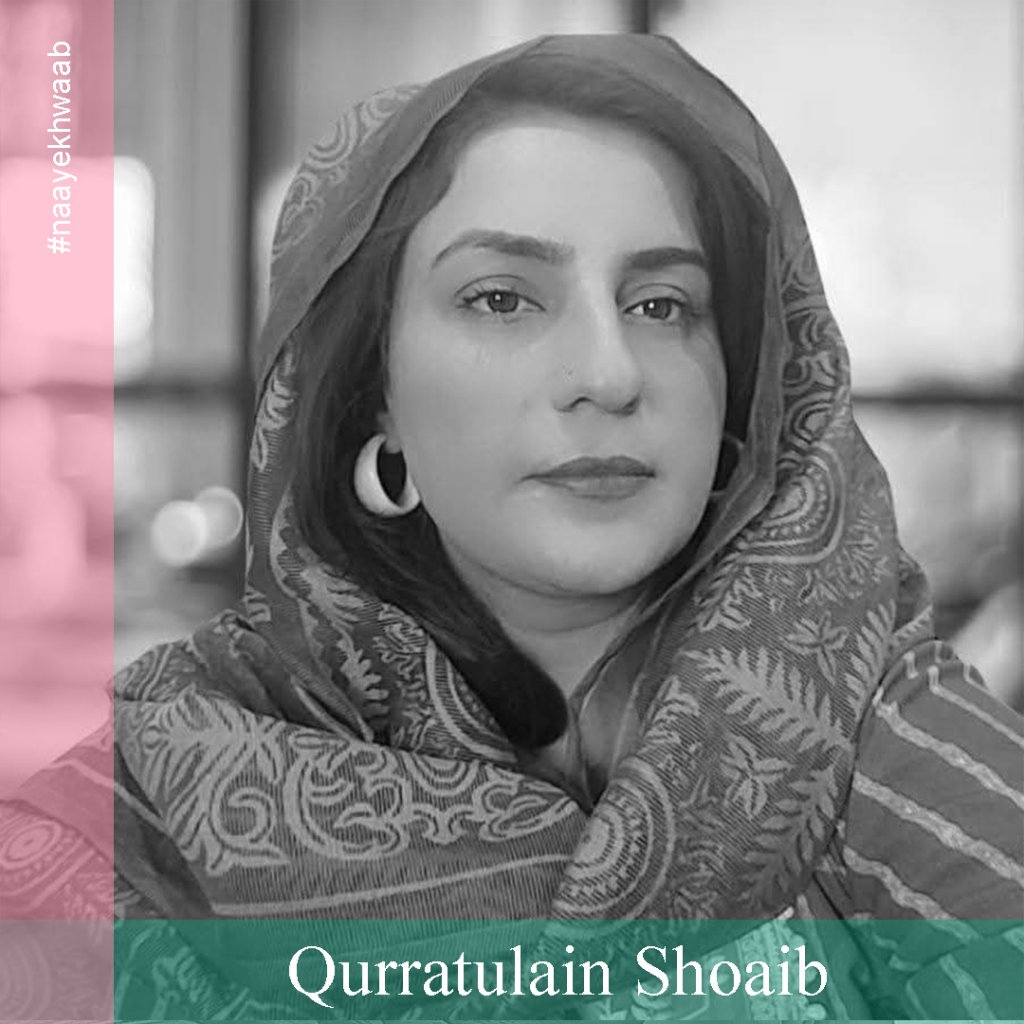
Blog, Qurratulain Shoaib

بچے ایسا کیوں کرتے ہیں ؟

بچے ایسا کیوں کرتے ہیں ؟ قرۃالعین شعیب ہر بچے کی عادات اور فطرت مختلف ہوتی ہے۔ ایک بچے کو ہم نے کیسے ڈیل کیا اس فارمولے کو دوسرے بچے پر لاگو نہیں کر سکتے ۔ کچھ بچے ایک بار کہہ دینے سے چپ کر کے بیٹھ جائیں گے۔ دوسرے بچے جو بار بار کہنے سے بھی نہیں بیٹھیں گے۔ اسی طرح ایک بچہ ہر وقت روتا رہتا ہے جب کہ دوسرا مسکراتا رہتا ہے۔ ایسا بھی ہوتا ہےاگر کوئی چیز ایک بچے کو اچھی لگی تو دوسرے بچے کو بری بھی لگ سکتی ہے۔ بچے کی نفسیات کو سمجھنا سب سے اہم ہے کہ وہ کیا چاہتا ہے۔ یا اس کے عمل کے پیچھے کے محرکات کیا ہیں۔ اس کی پسند نا پسند کیا ہے۔ وہ کیا سوچتا اور کیا چاہتا ہے۔ میں بچوں سے منسلک مختلف اداروں میں کام کرچکی ہوں۔ ایک سکول میں بطور کیمپس ڈائریکٹر کام کر رہی تھی ۔ ایک دن ایک ٹیچر ایک بچے کو میرے پاس لائیں جو پہلی کلاس کا طالب علم تھا۔ بچہ کی عمر سات سال تھی۔ وہ غصہ سے سرخ ہوئے جا رہی تھیں کہ مس i cant handle This child anymore. میں نے وجہ پوچھی تو کہنے لگیں میڈم یہ روزانہ ڈرائنگ کی کلاس میں اتنی اچھی ڈرائنگ کرتا ہے اور میرے فائل میں لگانے سے پہلے اس کے چھوٹے چھوٹے ٹکڑے کر دیتا ہے یہ بہت بدتمیز بچہ ہے۔ میں اس کی یہ بدتمیزی مزید برداشت نہیں کر سکتی۔ اس وقت میں سمجھ گئی کہ بچہ چھوٹے کاغذ کے ٹکڑے کیوں کرتا ہے۔ ٹیچر کو کہا آپ چھٹی کے وقت ملیں۔ بچے کو اپنے پاس بٹھایا اور کہا کہ آپ نے اس کے ٹکڑے کر کے کیا کرنا تھا۔ وہ ڈرا سہما جواب نہیں دے پایا نہ ہی چہرہ اپر اٹھا رہا تھا۔ میں نے دوستی کرنے کے لیے اسے چاکلیٹ تھما دی۔ پھر پوچھا کہ آپ ان ٹکڑوں کو دوبارہ جوڑ کر تصویر بنانا چاہتے ہو۔ وہ مسکرا دیا اور کہتا جی۔ میں نے اسے گلو دی پیپر دیا اور کہا آپ بناؤ۔ وہ بچہ اتنا خوش تھا کہ جیسے اس نے کوئی خزانہ حاصل کر لیا۔ اس کی باڈی لینگویج تبدیل ہو گئی۔ وہ جو سر جھکا کر آنسو بہا رہا تھا ۔ تیزی تیزی سے ٹکڑے جوڑنے لگا۔ چھٹی کے بعد ٹیچر کو بٹھا کر سمجھایا کہ بچہ کیا چاہتا تھا اور اس کی نفسیات کیا تھی۔ تو اس نے کہا میں نے اس پہلو پرکبھی نہیں سوچا۔ انھیں سمجھایا کہ بچے کا ہر عمل بدتمیزی نہیں ہے۔ بلکہ اس کے ہر عمل کے پیچھے کوئی محرک ہوتا ہے اسے تلاش کیا کریں۔ ایسے کئی اور واقعات ہیں جہاں بچے کی نفسیات کو سمجھے بغیر اسے دباو اور مار کا سامنا کرنا پڑتا ہے۔ وہ کیا چاہتا ہے ، ایسا کیوں کرتا ہے اس کے عمل کے پیچھے کی وجہ کوئی جاننا نہیں چاہتا۔ نہ اساتذہ نہ ہی والدین۔ ہر بچہ منفرد شخصیت کا حامل ہوتا ہے۔ ہر بچے کے جذبات ، کیفیات اور پھر ردعمل مختلف ہوتے ہیں۔ کوئی ایک بچہ دوسرے بچے جیسا نہیں ہوتاہے۔ اکثر والدین اور اساتذہ بچوں کا موازنہ ایک دوسرے سے کرتے ہیں۔ کہ فلاں کا بچہ تو بہت ذہین ہے۔ یا وہ پوزیشن ہولڈر ہے۔ کھیل میں اچھا ہے۔ آپ بھی اس جیسے بنو۔ کوئی ایک بچہ دوسرے بچے جیسا کبھی نہیں بن سکتا۔ ہر بچے کی اپنی الگ شناخت ، سوچ اور فکر ہے۔ اس کی اپنی الگ دنیا ہے۔ بچے کو اس کے اندر کا جہاں خود تسخیر کر کے آباد کرنے میں اس کی مدد کریں۔ہر بچے کے دل و دماغ کی دنیا الگ ہے۔ صلاحیتیں اور خواب الگ ہیں ۔ سکولوں میں بچے کا رویہ ان کی تربیت کی عکاسی کرتا ہے۔اس لیے ایک بچے پر اپنائی گئی حکمت عملی دوسرے پر لاگو کرنا مؤثر نہیں ہوتا۔بچہ جس رویے کا اظہار کرتا ہے، اس کے پیچھے کوئی محرک ضرور ہوتا ہےجو بچہ ہر وقت روتا ہے یا جو بچہ ہر وقت ہنستا ہے ، دونوں کے پیچھے کوئی نفسیاتی، جذباتی یا جسمانی محرک ہوتا ہے۔ جیسے توجہ کی کمی ، خوداعتمادی کی کمی ، کسی اندورنی خوف یا دباؤ کا اظہارِ ، اظہارخیال کے دوسرے ذرائع کی کمی۔ تخلیقی بچوں کے جذبات کی پیچیدگی زیادہ ہوتی ہے۔ وہ زیادہ حساس ہوتے ہیں۔ انھیں سمجھنے کی ضرورت ہے۔ والدین اور اساتذہ عموما ظاہری رویے کو دیکھتے ہیں، اندرونی وجوہات کو نظر انداز کرتے ہیں ۔جب کہ ایک باشعور استاد یا نگہبان وہ ہوتا ہے جو یہ سوال کرے کہ بچہ ایسا کیوں کر رہا ہے؟ والدین اور اساتذہ مشاہدہ کریں کہ اس بچے کے رویے کے پیچھے کیا وجہ ہے۔ بچے کی باڈی لینگویج ، بول چال، اور معمولات پر نظر رکھیں۔غور کریں اور ہر عمل کے پیچھے محرک کو سمجھنے کی کوشش کریں۔ بچوں سے مختلف سوالات کریں۔ بچے سے براہِ راست نرمی سے بات کریں۔بچے کو اس کے مسائل کا حل دیں، سزا نہیں نہ ہی مار اور ڈانٹ۔ اگر آپ انھیں نہیں سمجھ پا رہے تو کسی ماہر نفسیات سے رجوع کریں۔ اس کی مدد لیں۔ اگر والدین اور اساتذہ اپنے بچوں کی نفسیات کو سمجھ لیتے ہیں اور یہ بھی سمجھ لیتے ہیں کہ بچہ جو کچھ بھی کرتا ہے اس کے پیچھے کوئی محرک ضرور ہوتا ہے۔ تو بہت سے بچے صحت مند اور خوشگوار بچپن گزار سکتے ہیں۔ اور اس خوشگوار بچپن کے اثرات ان کی آنے والی نسلوں تک جائیں گے۔ اس طرح صحت مند اور خوشحال نسلیں پروان چڑھ سکتی ہیں۔ بچوں کو نفسیاتی طور پر مضبوط بنانا اساتذہ اور والدین کے ساتھ ساتھ ریاست کی بھی ذمہ داری ہے۔ حکومت کو چاہیے کہ سکولوں میں چائلڈ کانسلرز کی تعیناتی کو ممکن بنائیں۔ اور جن سکولوں اور بچوں کے اداروں کے پاس کانسلرز نہ ہوں انھیں مہیا کرے۔ یہ بہت حد تک ریاست کی بھی ذمہ داری ہے کہ وہ اس مد میں عوام میں شعور اجاگر کرے۔ جب والدین ، اساتذہ اور ریاست بچوں کی نفسیات کے حوالے سے ایک پیج پر ہوں گے تو ہی ہمارا معاشرہ بہت سے نفسیاتی مسائل سے باہر نکلنے میں کامیاب ہو سکے گا۔ Leave a Reply Cancel

Scroll to Top