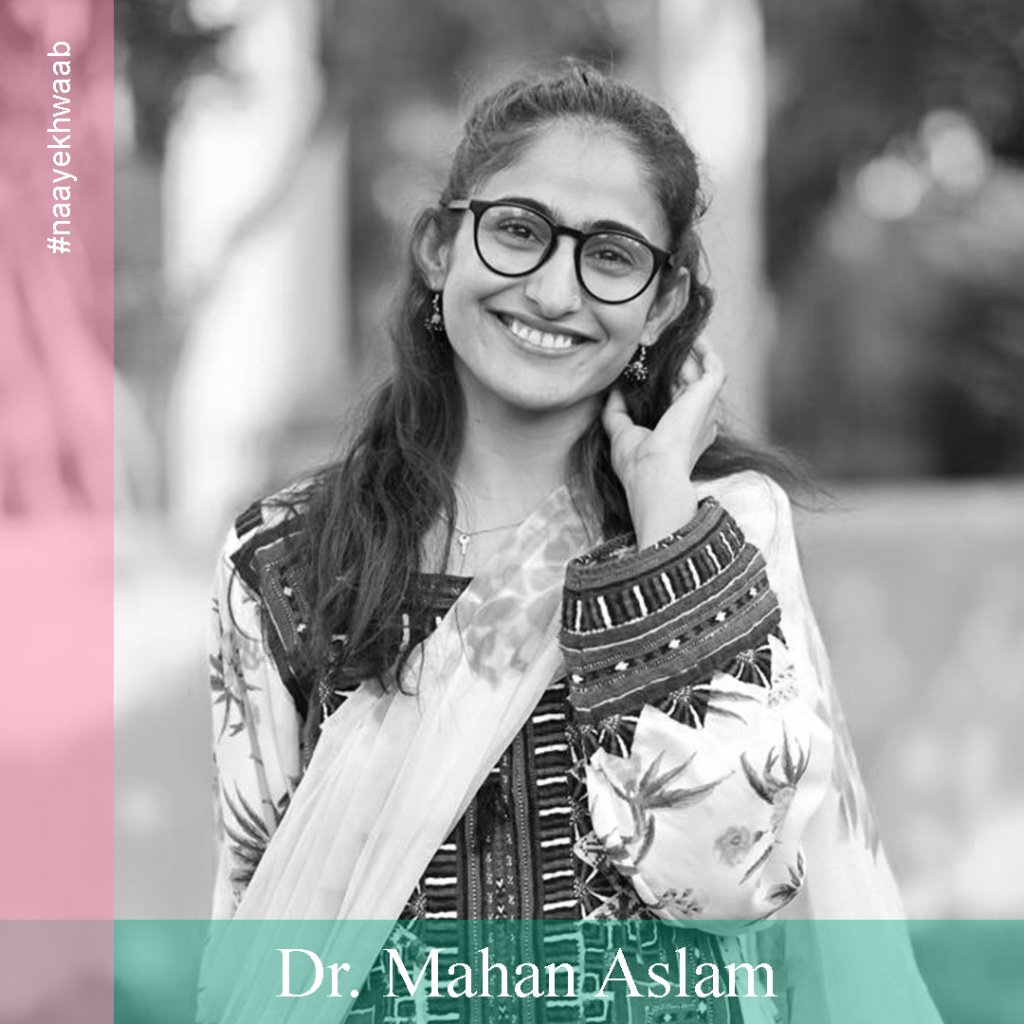
Dr. Mahan Aslam

Dr. Mahan Aslam

Dr. Mahan Aslam
Dr. Mahan Aslam

Polycystic Ovary Syndrome (PCOS) Beyond Infertility

Polycystic Ovary Syndrome (PCOS) Beyond Infertility Polycystic Ovary Syndrome (PCOS) is one of the most common hormonal conditions affecting women today, impacting around 6–13% of women of reproductive age. PCOS begins when the body’s hormones fall out of balance. Normally, the ovaries release one egg each month. In PCOS, this process doesn’t work smoothly because: 1. Hormonal Imbalance The ovaries produce higher than normal levels of androgens (male hormones). These androgens disturb the release of eggs (ovulation). 2. Insulin Resistance Many women with PCOS have cells that don’t respond well to insulin, the hormone that controls blood sugar. The body then produces more insulin. High insulin levels further increase androgen production, making symptoms worse. 3. Ovarian Effect Because ovulation is irregular, the ovaries may develop many small fluid-filled sacs (follicles). These are not harmful, but they indicate that the eggs are not being released properly. When hormones go out of balance in PCOS, periods may become irregular or stop for months. Many women also struggle with excessive hair growth, acne, and weight gain. These symptoms are often the first signs of the condition. Beyond this, PCOS can create long-term health problems. Infertility is common because irregular ovulation makes it hard to conceive. Insulin resistance raises the risk of type 2 diabetes, high blood pressure, and heart disease, showing that PCOS is far more than just a reproductive issue. Irregular cycles also increase the risk of endometrial cancer, while weight gain and sleep problems such as sleep apnea can make things worse over time. When we talk about PCOS, the conversation is usually limited to infertility or visible symptoms like excessive hair and changes in appearance. That’s because women are often told to see themselves through these lenses, where their value is tied to fertility or looks. But as PCOS becomes more common, the discussion also needs to expand. We should be talking about its impact on mental health, the anxiety, low self-esteem, and emotional struggles that come with it, not just the physical signs. In health systems too, the focus usually remains on changes in appearance or medical complications such as infertility, heart disease, or the increased risk of type 2 diabetes. While these are important, the psychological side is almost never addressed. The anxiety, depression, and emotional struggles women face because of PCOS are treated as invisible, even though they affect quality of life just as much as the physical complications. Most of the time, when PCOS is discussed, the focus stays on infertility and the complications mentioned above. Yet a very serious and much-needed conversation is missing, the mental health problems it brings. We already live in a society where mental health is stigmatized, and when you add a condition like PCOS, women are pushed into a space that feels invisible. It is like being asked to stand on the “third side of a coin,” a side that technically does not exist. That is exactly how women’s mental health in the context of PCOS is treated, as if it doesn’t exist at all. The psychological stress in PCOS comes from two sides. On one hand, the visible symptoms, like excessive hair, acne, weight gain, or infertility, become even harder to cope with because of societal standards and expectations placed on women’s bodies and roles. On the other hand, there is the emotional dysregulation that comes directly from the hormonal imbalance itself, which can cause mood swings, anxiety, and depression. These two stresses, though different in origin, often overlap and make the emotional burden of PCOS much heavier, yet this distinction is rarely acknowledged. What we need, therefore, is a broader and more honest conversation around PCOS. Health systems should not only focus on fertility treatments or managing long-term complications like diabetes and heart disease but also integrate mental health support into care. Counseling, peer support groups, and open dialogue about body image and self-worth should be part of treatment plans. We also need social conversations that challenge the stigma surrounding both mental health and women’s reproductive health. Women with PCOS should not feel reduced to their ability to conceive or how they look. Instead, the focus should be on their overall well-being, physical, emotional, and social. And on a personal level, the next time you meet a woman diagnosed with PCOS or notice symptoms like weight gain or excessive hair, pause before asking about her “disease” or fertility. Instead, ask her how she’s doing, or simply offer space to talk. These small shifts in how we respond can make a huge difference. Let’s spread awareness of PCOS beyond infertility, break the silence around its mental health impact, and create a culture where women can talk openly and be supported without judgment.

Dr. Mahan Aslam
Blog, Dr. Mahan Aslam

Beyond the Present: How Marriage and Parenthood Shape Generations

Marriage and parenthood are often celebrated as life’s greatest milestones, marking the start of a beautiful new chapter. However, alongside the joy and excitement, these roles come with unspoken challenges and sacrifices —realities that are rarely acknowledged. What’s often portrayed as perfection hides the complexities that many face in these life-changing experiences. In the book It Didn’t Start with You by Mark Wolynn (2017), I encountered a thought-provoking concept: the transmission of generational trauma. It made me realize that many of the struggles we face are not as unique as we think—they often echo across The book explains how emotional and mental burdens can be unknowingly passed down from a mother to her unborn child. It’s eye-opening to consider that a child may start carrying the weight of inherited struggles even before birth. While numerous factors shape a child’s mental health, a significant portion of it begins during pregnancy. The emotional and mental challenges a mother faces deeply affect her child, often becoming an unspoken legacy that is carried forward. These generational patterns influence not only the immediate family but can also have lasting effects on future generations. This is why it’s crucial to start having honest conversations about the hidden realities of marriage and parenthood now. Too often, we focus on how these milestones affect us in the present, but the responsibilities we take on extend far beyond the immediate moment. These challenges are passed down through generations, impacting future generations in ways they didn’t choose and often without their knowledge. By not addressing these issues now, we’re unfairly passing on struggles to those who had no part in creating them. As soon as individuals marry, there’s an immediate societal expectation for pregnancy, as if it’s the natural next step. However, what many fail to understand is that the transition into parenthood is not merely physical—it’s emotional, mental, and deeply impactful on the future of both the mother and the child as I discussed above. Once pregnant, however, she is often expected to maintain the same health, energy, and routine as she had before, with little regard for the physical, emotional, and mental toll pregnancy can take. In my experience as a medical student, I’ve heard countless remarks in gynecology wards that reflect this attitude. I’ve often heard comments like, ‘She’s not the only one who’s been pregnant. We’ve been there too and still managed the work.’ These remarks, typically from family members or even other women, reduce pregnancy to physical endurance, ignoring the deeper emotional struggles. Instead of offering support, many women are shamed for not being able to ‘push through,’ further adding to the burdens they face Every challenge a mother faces, whether it’s stress, emotional strain, or physical hardship, has the potential to impact the baby’s development, from physical health to mental well-being. Moreover, once the child is born, the first ten years of their life are crucial in shaping who they will become as adults. The love, care, and upbringing they receive during these formative years, along with the nutrition they have access to, all play vital roles in their future health, mindset, and overall development. The foundation laid in these early years becomes the blueprint for their adulthood, influencing everything from their emotional resilience to their ability to form healthy relationships. Therefore, understanding the interconnectedness of a mother’s well-being during pregnancy and her child’s future is key to breaking the cycle of generational struggles and ensuring healthier futures. In today’s generation, women are often expected to play dual roles as both nurturers and providers, which becomes an overwhelming burden for them and their children. Balancing these responsibilities can be particularly difficult, as the pressure to provide financially alongside caring for the family takes a toll on a woman’s physical and mental health. Similarly, the traditional role of a father as the sole provider also has its own set of pressures, making it difficult for him to handle the emotional and financial weight alone. These gendered expectations often result in the inheritance of burdens, limiting both parents’ emotional wellbeing and creating an environment that affects the mental health of children as well. As we continue to pass these norms on, it’s crucial that we begin questioning and changing these societal structures. Creating spaces where both men and women are supported in their roles, and where shared responsibilities are emphasized, can help break this cycle, offering a healthier and more balanced environment for future generations. While some challenges in marriage and parenthood may be inevitable, they can be minimized through open communication and mutual understanding. Before taking on shared responsibilities, both partners should take the time to truly understand each other’s needs, capabilities, and emotional states. Rather than sticking to outdated norms where the father is the sole provider and the mother is expected to be the only nurturer, both roles should be shared in a way that considers the emotional and physical capacities of each partner. For instance, during the initial phase after childbirth, when the mother is going through one of the hardest transitions, the father should be the one offering support, both emotionally and physically. By creating spaces where both men and women are equally supported in their roles and responsibilities are shared, we can help break the cycle of unbalanced expectations and create a healthier, more equitable environment for future generations. Khushal dasSeptember 22, 2025 at 2:24 am | Edit Goood one.. create a healthier, more equitable environment for future generations. Reply NabilaMay 3, 2025 at 12:44 am | Edit Nice! Reply Leave a Comments Cancel Reply Logged in as admin. Edit your profile. Log out? Required fields are marked * Message*

Scroll to Top