
“Behind Every Strong Mother Is a Story No One Asked: Menopause Needs a Voice”
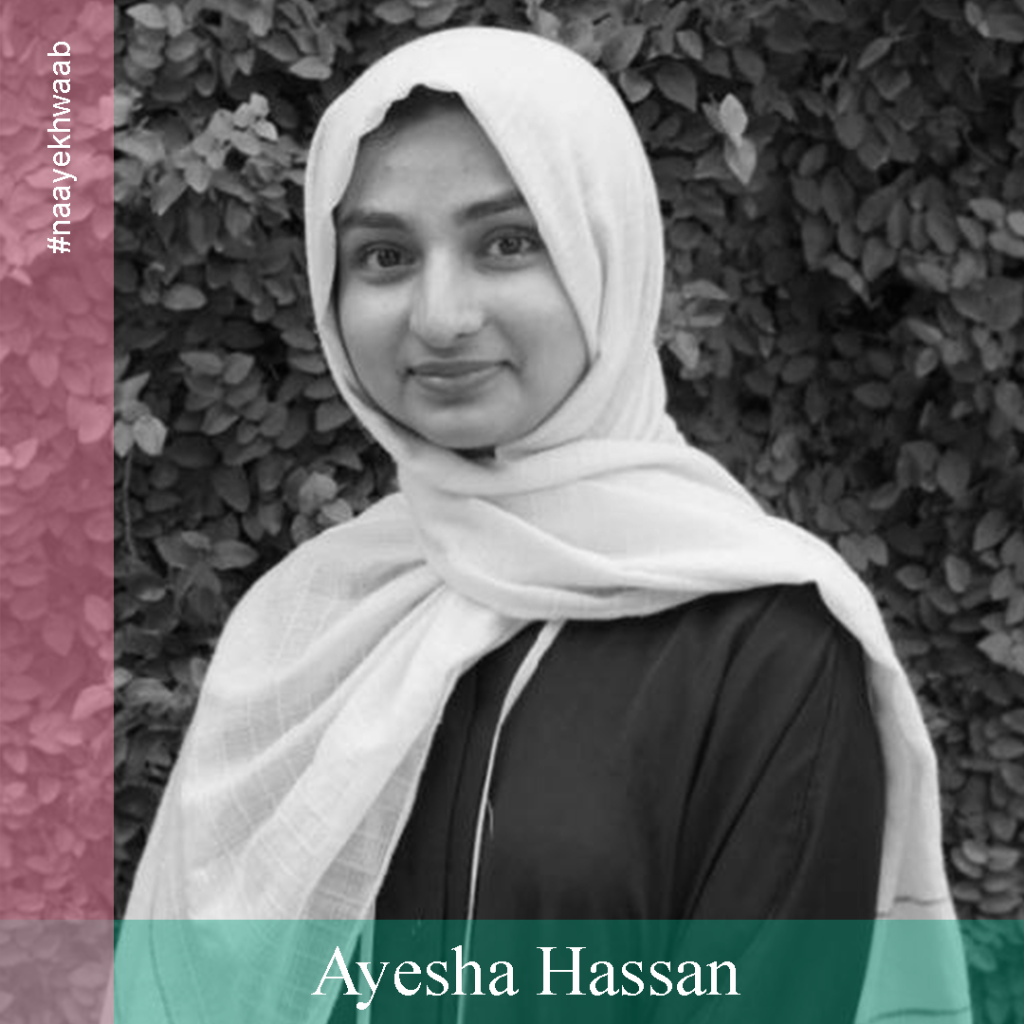
Growing up, I was always close to the women in my family, my mother, my aunts, and even my grandmother. I saw their strength, their dedication, and the way they held our families together. But as I grew older, I also began to notice something else: they were going through changes that no one talked about. That silence is what made me look closer. And what I found changed the way I see women’s health forever.
“Behind Every Strong Mother Is a Story No One Asked: Menopause Needs a Voice”
In many cultures especially in Pakistan menopause is often treated like something women should “just bear.” Talking about pain, mood changes, exhaustion, dizziness, or cramps feels shameful. Even in loving families, many mothers don’t feel comfortable sharing what they’re going through.
Because of this silence, many women face severe symptoms that go unnoticed, their emotional well-being begins to suffer, and they often feel isolated during one of the hardest phases of their lives. Families may misunderstand their mood swings or fatigue, assuming it’s irritation or stress rather than a natural hormonal transition. Husbands and children, unaware of what menopause truly brings, often misinterpret their struggles, leaving women to carry an invisible burden entirely on their own. When I saw my mother and my aunts going through these changes, I wanted to help. I started reading, researching, and learning and that’s when I discovered how much I didn’t know before.
I learned about the Estrogen drop — the major hormonal shift that causes many emotional and physical symptoms, Muscle loss — why strength decreases during menopause, Bone density changes — leading to higher risks of arthritis and osteoporosis, Sleep problems — why many women feel exhausted, Severe cramps or pelvic pain, Mood fluctuations — not because they are “emotional,” but because their bodies are transforming and the importance of screenings like uterus scans, breast exams, and checking for fibroids.
A Daughter’s Role:
One day I decided to take a step for my mother. I asked her to visit the doctor. I encouraged her to get her checkups – uterus, breast, fibroids, everything. I helped her understand what was happening. And slowly, I saw a change. She wasn’t just healing physically; she started to feel supported. She laughed more. She shared more. She trusted the process.
How You Can Support:
Here are simple ways to make a real difference: ask her how she’s feeling with gentle, non judgmental concern, go with her to a doctor if she feels nervous, encourage regular checkups for her uterus, breasts, and bone density, learn basic menopause symptoms and talk about them openly, be patient with any changes in her mood or energy, offer emotional support because sometimes listening is enough, and create a safe environment where she never feels ashamed of what she’s experiencing.
As daughters, sons, and young members of society, we have the power to break this cycle of silence.
Let’s start the conversation.
Let’s normalize women’s health.
PERIOD !
3 Comments
I loved how you broke down the topic and made it so relatable. Your writing style is goals 💯! Can’t wait to read more of your work. Proud of you, girl! 💕”
I really enjoyed reading the blog, very well written and thoughtful!
Thanks to powerful voices like yours, creating awareness on such matters, people are becoming known to the actual problem, people used to call it signs of getting old, take it normal, but one who suffers knows the most.
Keep raising voices on topics which are unknown to people, creating awareness. You are doing a really good job.